Loading...
Serving Jerome, ID and surrounding areas. (208) 210-4790
An under-insulated attic is the single biggest source of heat loss in most Idaho homes. If your bills are high and rooms feel uneven, upgrading your attic insulation is often the fastest fix with the most noticeable results.
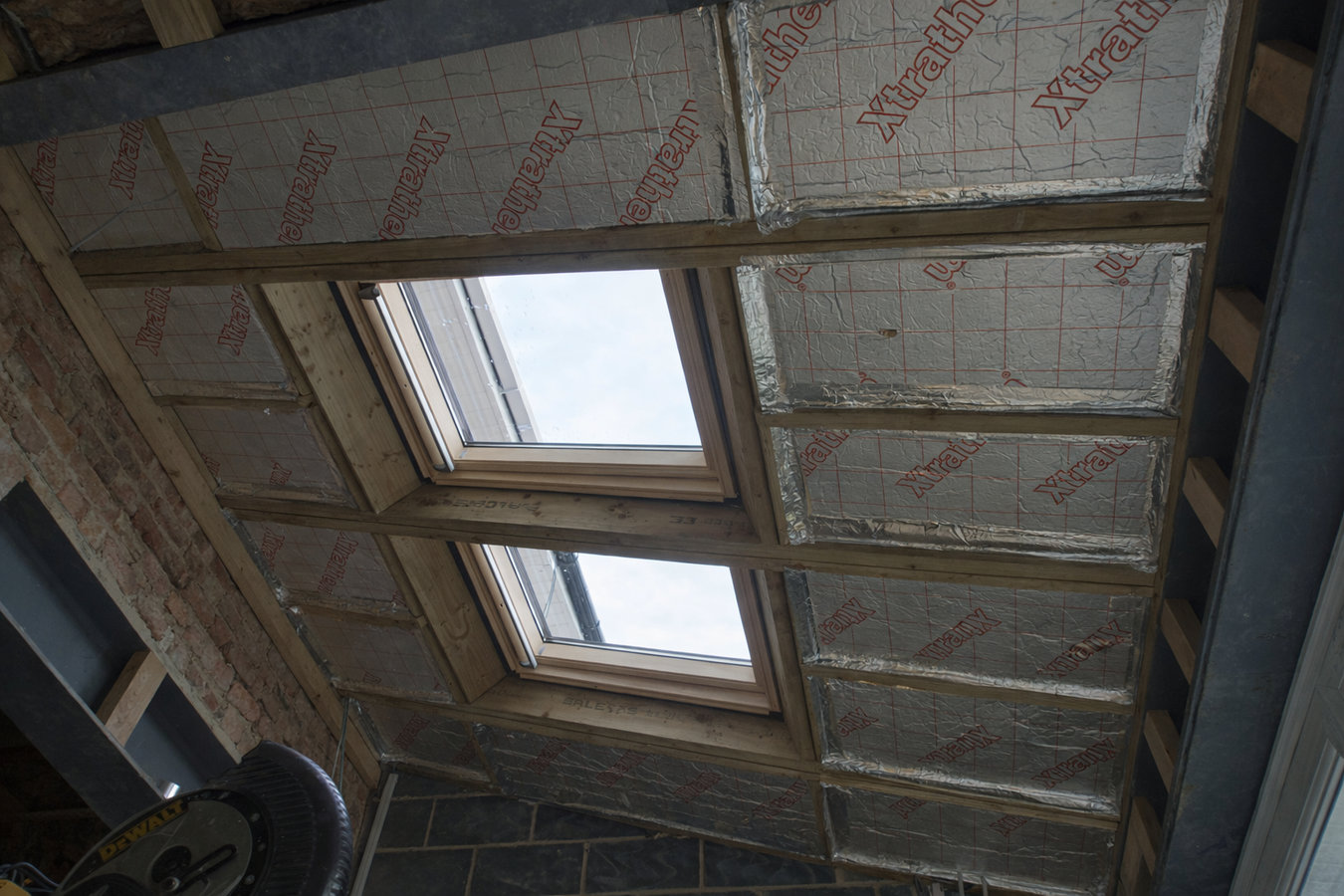
Attic insulation in Jerome, ID works like a thick blanket between your living space and the outdoors - slowing heat loss through the ceiling in winter and blocking summer heat from baking down through your roof, with most single-story homes completed in one day.
Heat rises, which means an under-insulated attic is one of the fastest ways to lose warmth on a cold January night. Jerome's cold, dry winters and hot summers put your attic insulation to work in both directions - holding heat in when temperatures drop and blocking radiant heat when the July sun bears down. Many homeowners pair an attic upgrade with attic air sealing to address both heat transfer and air movement at the same time, since insulation alone cannot stop a draft. If your home is one of the many in Jerome built before the 1990s, there is a strong chance the attic insulation is doing a fraction of the job it should.
You do not need a contractor to spot these warning signs. If any of these sound familiar, it is worth a call.
Jerome winters are genuinely cold, and if your energy bills jump dramatically in the coldest months - or if your furnace runs almost without stopping - your attic is likely letting heat escape faster than your system can replace it. A well-insulated attic holds heat in, so your furnace cycles on and off normally rather than running for long stretches.
If bedrooms at the top of your home feel noticeably colder than the rest of the house, heat is escaping through the ceiling above them. This is especially common in older Jerome homes where insulation was installed unevenly or has settled and thinned over the decades.
Jerome summers get hot, and if the upper floor becomes genuinely uncomfortable in July and August even with the AC running, heat is radiating down from an under-insulated attic. Proper attic insulation creates a barrier that keeps that heat from transferring into your living space.
If you peek into your attic and see the wooden framing members poking above the insulation, you do not have enough. Insulation should completely cover those joists and then some. This is a quick visual check any homeowner can do without any special tools.
We install blown-in insulation and batts depending on what your attic needs and how accessible it is. Blown-in loose fill is the most common choice for existing homes because it fills gaps and odd corners without tearing out anything - and it is what we typically use for blown-in insulation projects across Jerome and the surrounding area. Batts work well in new construction or when an attic is easy to access and has standard framing spacing. In either case, every job starts with air sealing around light fixtures, pipes, and wiring - because filling in insulation over unsealed gaps is one of the most common mistakes that leaves homeowners disappointed with their results.
We also check for issues that need to be addressed before new insulation goes in - moisture damage, pest activity from the rodents that come in from Jerome's surrounding farmland, and old compressed insulation that no longer performs. Getting an honest picture of what is actually in your attic is part of every estimate visit, not an extra step.
The most popular option for existing homes in Jerome - fills odd corners and gaps evenly without requiring any major demolition.
Works well when existing insulation is structurally sound and the attic has standard framing - a faster option when conditions allow.
Sealing gaps around fixtures, pipes, and wiring before adding insulation - the step most contractors skip that makes the biggest difference in comfort.
When old insulation has been damaged by pests or moisture, safe removal and disposal before new material goes in - done right the first time.
Jerome winters regularly drop into the single digits, and the high-desert elevation means intense sun in summer - July highs regularly reach 90 to 95 degrees Fahrenheit. That range puts your attic insulation to work in both directions for months at a time. A poorly insulated attic acts like an oven above your living space in summer, pushing heat down through the ceiling and forcing your air conditioner to work much harder than it should. In winter, the same attic lets warmth escape as fast as your furnace can produce it. Much of Jerome's housing stock was built in the mid-20th century, and many homes in the area were constructed with insulation standards considered adequate at the time but far below what is recommended today. Homeowners in Jerome and nearby Twin Falls both share an older housing stock and a climate demanding enough that upgrading attic insulation has one of the shortest payback periods of any home improvement in the region.
Jerome is also surrounded by active farmland, and the region's dry, dusty air means attics accumulate particulate matter over time. This can degrade older insulation materials and, in some cases, create conditions that attract rodents seeking shelter - especially in fall when field harvests push pests toward nearby homes. Before adding new insulation, we check for signs of pest activity or moisture intrusion that could undermine the new material. Skipping that step means putting fresh insulation on top of a problem that will keep getting worse.
No surprises. Here is exactly what the process looks like from your first call to a finished job.
Tell us the size of your home, when it was built, and what you have been experiencing - high bills, uneven temperatures, or something specific. You do not need to know anything technical. We respond within 1 business day.
We visit your home to measure the attic, check what is already there, and look for air leaks, moisture, or pest damage that need to be addressed first. This visit takes 30 to 60 minutes and comes before any price is given.
After the assessment you receive a written estimate breaking down exactly what work will be done and what it will cost. Ask whether air sealing is included - that step makes a real difference in how well the finished job performs.
The crew seals air gaps first, then installs the insulation. For most Jerome homes this takes two to five hours. We leave you documentation of the type and amount installed - which you will need if you plan to claim a federal tax credit.
Free on-site estimate, written quote, no obligation. We respond within 1 business day.
(208) 210-4790Jerome Insulation is a locally owned company with experienced crews who work in Magic Valley attics every week. We know the housing stock, we document the work, and we give you a clear path to reach us if you ever have a question after the job.
Insulation alone does not stop drafts. We seal gaps around light fixtures, pipes, and wiring before adding any new material - because skipping that step leaves cold spots and higher bills even after a fresh install. Most contractors skip it to save time.
Jerome is surrounded by active farmland, and rodents seeking shelter in fall are a real and recurring issue. Before any insulation goes in, we check for pest activity and moisture damage. Adding new insulation on top of damaged material just buries the problem.
A federal tax credit of up to 30 percent of qualifying material costs is available for homeowners who upgrade attic insulation. We provide the itemized receipt that separates materials from labor - so you have what you need at tax time without having to chase paperwork.
These are not promises anyone can make over the phone without seeing your attic. Every one of them is built into our process - from the first visit to the documentation we hand you when the job is done. The U.S. Department of Energy recommends higher insulation levels for Idaho than for warmer states - we make sure your home meets or exceeds that standard.
The most common method used in existing Jerome attics - loose fill blown in with a hose that covers every corner without removing walls or ceilings.
Learn MoreSealing the gaps and bypasses in your attic before adding insulation - the step that turns a good insulation job into a great one.
Learn MoreJerome winters do not wait - lock in your installation date before the cold sets in and your heating bills climb again this year.