Loading...
Serving Jerome, ID and surrounding areas. (208) 210-4790
Old, wet, or rodent-contaminated insulation holds your home back. We remove it completely so your next upgrade actually works the way it should.
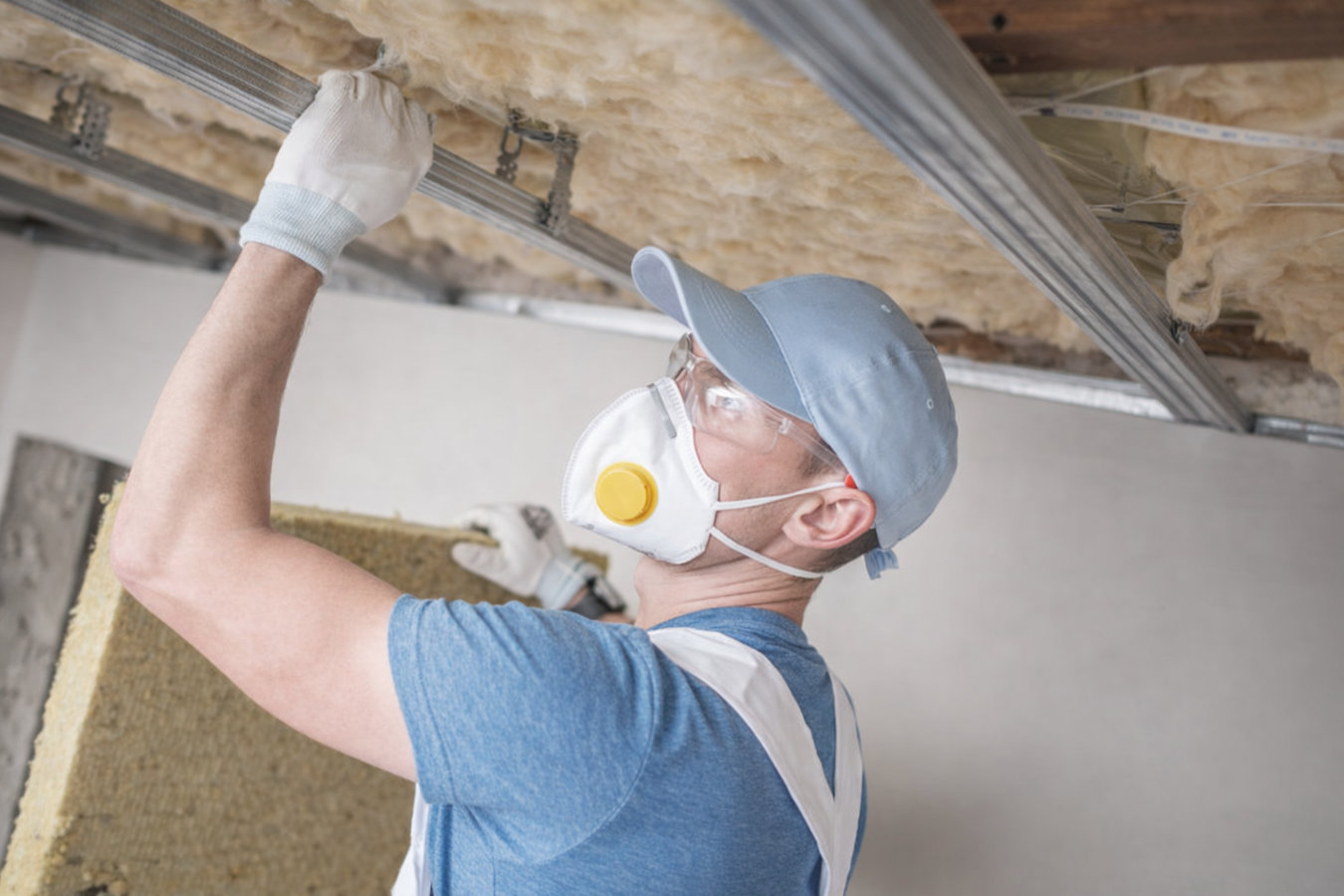
Insulation removal in Jerome means safely pulling out old, damaged, or contaminated material from your attic or crawl space, most jobs take one to two days depending on the size of the space and the condition of what is in there. A crew uses industrial vacuums and hand tools to extract the material, bag it, and haul it away - leaving the space clean and ready for new insulation.
Not every insulation upgrade requires removal first. But when the existing material is wet, compressed, or infested, adding new insulation on top does not fix the problem - it buries it. Homeowners in Jerome often discover the real state of their attic only when a contractor takes a look. If you are planning a full crawl space insulation or attic upgrade, removal is often the first step that makes everything else work.
Jerome homes built in the mid-20th century are especially likely to have insulation that has never been replaced. If your home is more than 40 years old and you have never had the attic checked, a professional assessment is a reasonable starting point.
If you have heard scratching above the ceiling, found droppings near the attic hatch, or noticed a smell that will not go away, your insulation has likely been used as nesting material. In Jerome and the surrounding farm country, rodents move indoors in fall. Contaminated insulation cannot be cleaned - it needs to come out entirely.
Jerome winters are genuinely cold, and if your furnace runs longer than it used to without the house feeling warmer, your insulation may have compressed or degraded past the point of usefulness. This is often the first sign homeowners notice - not something visible, just a feeling that the house is not holding heat the way it did before.
Water and insulation do not mix. Even a slow, minor leak can saturate the insulation above your ceiling, and once it is wet it loses its effectiveness - and can start to grow mold. In an enclosed attic space, wet insulation rarely dries out on its own, regardless of how dry the outdoor climate is.
Many homes in Jerome date from the mid-20th century and still have original insulation that has never been replaced. Some older insulation materials require careful handling during removal. If your home is more than 40 years old and no one has checked the attic since you moved in, a professional assessment is overdue.
We handle removal from attics, crawl spaces, and walls. Attic removal is the most common request - loose-fill, batt, and older vermiculite-style insulation all come out using industrial vacuum equipment and hand tools. For homes where rodent activity is the issue, we remove all contaminated material completely and can point out any entry points that need sealing before the space is ready for new insulation. Homeowners planning a retrofit insulation upgrade often need removal first to ensure the new material performs as expected.
After removal, we inspect the space for moisture damage, pest entry points, and air gaps. A contractor who skips this step leaves you installing new insulation over unresolved problems. If new insulation is part of the plan, we can discuss that after the removal is complete and the space has been assessed. Our most common follow-on service is crawl space insulation - many homes need both the removal and a fresh installation in the same project.
Best suited for homes with loose-fill, batt, or damaged insulation that has compressed, gotten wet, or been contaminated by pests.
For homes with failing fiberglass batts or moisture-damaged material under the floor joists that needs to come out before a proper installation.
Full extraction and cleanup for spaces with confirmed rodent activity - removing all nesting material and droppings along with the insulation.
Clearing out old material before a full insulation upgrade, ensuring the new installation goes in on a clean, properly assessed surface.
Jerome sits on the high desert plain of south-central Idaho, where winters regularly push below 10 degrees Fahrenheit and summers top out near 95. That range - close to 90 degrees between seasons - puts constant stress on insulation, compressing it and breaking it down faster than in milder climates. Homes that have not had their insulation checked in 15 to 20 years are likely running on material that is no longer doing its job, even if nothing looks visibly wrong from below. Homeowners in Twin Falls, ID face similar conditions just across the canyon - the Magic Valley climate is demanding on every part of a home's envelope.
Jerome County is also one of Idaho's most productive agricultural areas, and the surrounding farmland brings real rodent pressure. Field mice move indoors in fall, and attic insulation is one of their preferred nesting spots. This is not a minor nuisance issue - contaminated insulation carries health risks that require full removal, not a patch job. Homeowners in Kimberly, ID and other nearby farm communities deal with the same seasonal rodent pressure. If you have heard scratching in your ceiling, this winter is the right time to address it - not next spring.
We will ask a few quick questions - your home's age, the problem you are dealing with, and whether you have had any pest or moisture issues. We reply within one business day, often the same day.
A contractor visits and physically looks at your attic or crawl space before any work is planned. If your home was built before the mid-1980s, we assess whether material testing is needed before removal starts.
After the assessment you receive a written estimate - what will be removed, how it will be disposed of, and what the total cost covers. No verbal quotes for this kind of work.
The crew runs a vacuum hose from outside up into your space. Most standard attic jobs are done in a single day. The work area is sealed off and your floors are protected throughout.
We will assess the space first and give you a written estimate before any work begins. No surprises.
(208) 210-4790Before any material comes out, we look at what is actually up there. We check the type and condition of the insulation, look for moisture or pest activity, and flag anything that needs special handling. You will know what you are dealing with before work begins.
Jerome Insulation is locally owned, and our crews handle removal jobs across the Magic Valley every week. We document the work and give you a direct line to reach us if a question comes up afterward. That accountability matters on a job that involves your home's air quality.
Many Jerome homes near agricultural land deal with seasonal rodent pressure. We extract all contaminated material - not just the sections that are easy to reach - and we note any entry points the crew finds so they can be sealed before new insulation goes in. Rodent-contaminated insulation is a health concern, and we treat it that way.
Every job gets a written estimate after an in-person look at the space. The estimate spells out exactly what will be removed, how it will be disposed of, and what the total cost covers. You will not be handed a bill for something that was not discussed upfront. For external resources on disposal standards, see the EPA's guidance at epa.gov.
Every removal job we do is built around two things: understanding what is actually in the space before we start, and leaving it genuinely clean and ready for whatever comes next. That means no shortcuts on the inspection, and no unanswered questions when the crew leaves. The EPA's asbestos guidance and OSHA's safety standards are both worth reading if you are concerned about older insulation materials.
Seal and insulate the space beneath your floor for warmer living areas and lower heating costs.
Learn MoreUpdate aging insulation in an existing home without a full gut renovation.
Learn MoreCall Jerome Insulation today for an honest assessment and a written estimate - before another cold winter sets in.