Loading...
Serving Jerome, ID and surrounding areas. (208) 210-4790
Most Jerome homes were built before modern insulation standards. If your house feels drafty all winter and your heating bills keep climbing, spray foam seals the gaps that other insulation types miss.
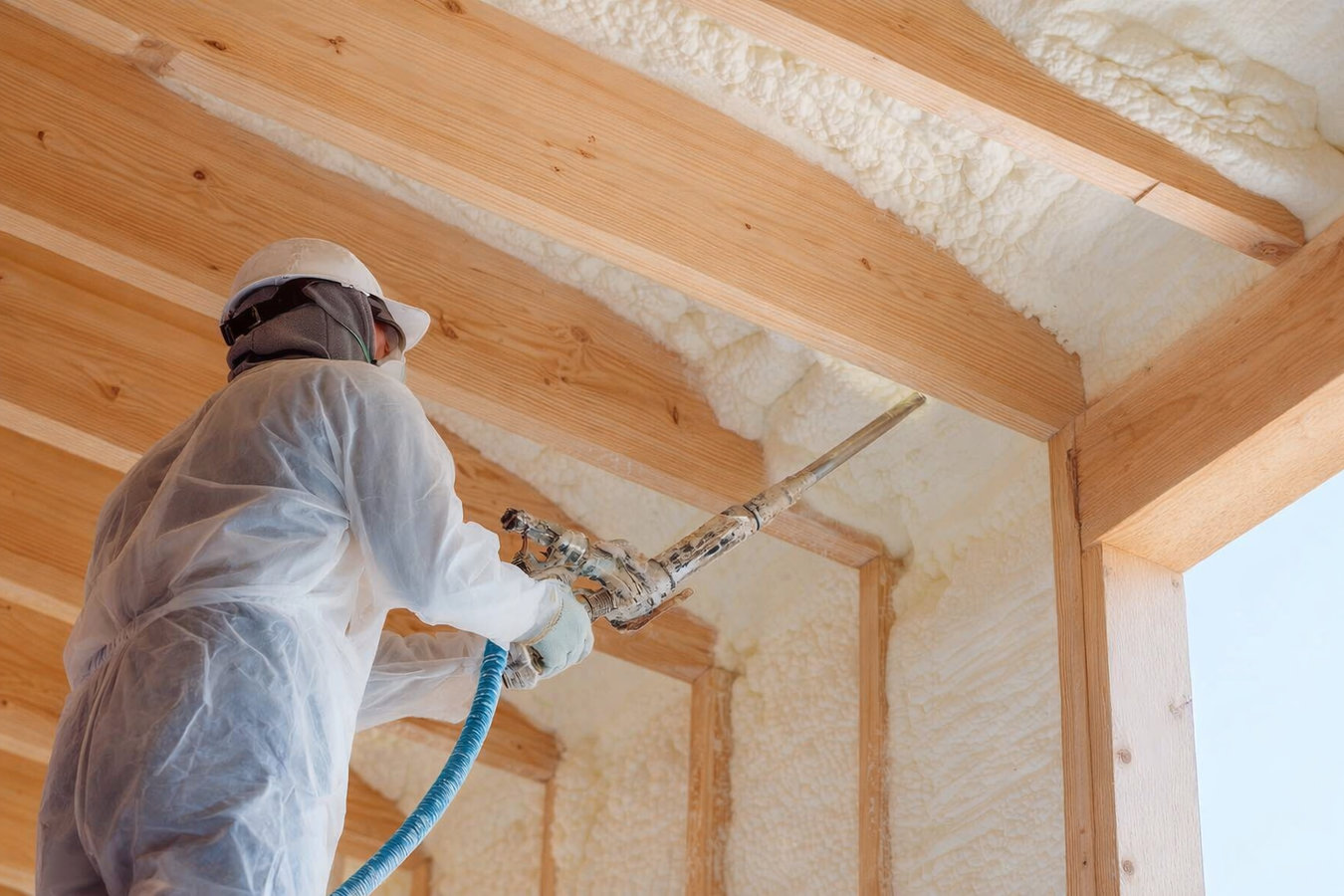
Spray foam insulation in Jerome, ID is a liquid material that expands on contact and hardens into a dense foam layer, sealing gaps, cracks, and air leaks that standard batts or blown-in material simply cannot reach - most residential jobs cover an attic or crawl space in one to two days.
Unlike fiberglass batts that only slow heat transfer, spray foam does something extra: it stops air from moving through gaps entirely. In a windy climate like Jerome's, those air leaks are often responsible for more heat loss than the walls themselves. Homeowners on the Snake River Plain regularly describe the result as the house finally feeling "tight" for the first time. If you are also considering attic insulation for your project, the two services work well together to address both heat transfer and air movement.
You do not need a contractor to spot these warning signs. If two or more apply to your home, it is worth a call.
If your furnace runs constantly but the house still feels chilly, heat is escaping faster than your insulation can hold it. Jerome winters are genuinely cold, and bills that keep climbing without a change in habits are one of the clearest signs of under-insulation. This is especially common in Jerome homes built before 1985.
Hold your hand near an electrical outlet on an exterior wall during a windy day. If you feel a draft, outside air is moving through gaps in your wall cavity. Jerome's persistent winds make this test especially telling - the Magic Valley wind actively pushes air into your home through every unsealed opening.
In Jerome's cold winters, an uninsulated crawl space can develop condensation and frost on floor joists. If you have noticed a musty smell coming up through your floors, or if the floors feel unusually cold even with the heat on, your crawl space insulation likely needs attention.
When insulation has gaps, rooms farthest from your furnace suffer the most. If one bedroom is consistently colder than the rest of the house in winter, that temperature difference often points to missing or degraded insulation in the walls or attic above that space.
We install spray foam in attics, crawl spaces, rim joists, and wall cavities throughout the Jerome area. Our work covers both open-cell and closed-cell foam - open-cell is lighter and works well in interior wall applications, while closed-cell foam insulation is denser and better suited to exterior-facing surfaces and areas exposed to moisture. Choosing the right type for each location in your home matters - applying closed-cell where open-cell would have done the job costs you more than necessary, and the reverse can leave you with performance gaps in a difficult winter.
Beyond foam type, we assess the full picture before recommending anything. That means checking your attic, crawl space, and rim joists together - because sealing one area while leaving another open does not solve the problem. Every project starts with an in-person visit so we can give you an honest picture of where your home is losing energy and what the most cost-effective fix looks like.
A lighter, less expensive option well suited to interior walls, ceilings, and sound-dampening applications where moisture exposure is low.
Denser and more rigid, with better performance in extreme cold and areas exposed to moisture - the right choice for crawl spaces and rim joists in Jerome's winters.
Sealing the attic floor or roofline with foam stops both heat loss and air movement - addressing the two biggest energy drains in most Idaho homes.
Spray foam in crawl spaces and at rim joists eliminates the cold floors and musty air that uninsulated spaces create through Jerome's long winters.
Jerome sits on the Snake River Plain at roughly 3,700 feet elevation, where winters drop below 10 degrees Fahrenheit and summers push past 95. That 80-plus-degree seasonal range puts enormous stress on any home's ability to hold a comfortable temperature. The open, flat landscape also means wind is a constant presence - sustained winds of 15 to 25 miles per hour are common year-round, and gusts well above 50 mph happen during storms. Fiberglass batts slow heat transfer but do almost nothing to stop air movement. Spray foam seals those gaps, which is why it tends to perform noticeably better than other insulation types in this part of Idaho. Homeowners in Twin Falls and Jerome face the same conditions - an open plain, persistent wind, and homes built when insulation standards were far lower than they are today.
Jerome's residential neighborhoods include a significant share of homes built in the 1950s through 1980s, an era when insulation standards were much lower than they are today. Many of these homes have little or no insulation in the crawl space, and whatever is in the attic has likely settled or degraded over decades. The region's dry, dusty conditions from surrounding farmland also cause older vapor barriers and fiberglass insulation to degrade faster than in wetter climates. Spray foam applied to crawl space walls and rim joists creates a sealed environment that holds up against the dust and dryness that are simply part of life in this part of Idaho.
Here is exactly what to expect from first contact to a finished, inspected job.
We ask a few basic questions - what part of the house you are concerned about, how old the home is, and whether you have noticed specific problems like drafts or high bills. We respond within 1 business day to schedule an on-site visit.
We walk the attic, crawl space, or rim joists, check what is already there, and look for any moisture issues before insulation goes in. This visit takes 30 to 60 minutes and is a good time to ask questions.
You receive a written quote that breaks down cost by area. We pull any required building permit from the Idaho Division of Building Safety on your behalf - no paperwork for you to manage.
The crew arrives with equipment, seals the work area, and sprays the foam - it expands within seconds of application. After curing and ventilation, we walk you through the completed work and confirm your safe re-entry time.
Free estimate, written quote, no pressure. We respond within 1 business day.
(208) 210-4790Our crews are trained on the spray foam equipment and materials we use, and we work in Magic Valley homes every week. We document each job with written records, so if a question ever comes up you have a clear path back to us.
A permitted job gets inspected by a third party. That inspection creates a documented record that protects you when you sell your home or plan future upgrades. We handle the permit process from start to finish on every qualifying project.
Many Jerome homes were built in the 1950s through 1980s with insulation standards that fall short of what is recommended today. We work on these homes regularly and know where the gaps tend to hide - around pipes, at rim joists, and along the attic perimeter.
No price surprises. You receive an itemized written estimate after a real in-person assessment, not a number pulled from thin air over the phone. Jerome homeowners deserve to know exactly what they are paying for before anyone touches their home.
Together, these proof points mean one thing: you get a spray foam job that is permitted, inspected, and done right the first time - by a contractor who actually knows Jerome's homes, climate, and permit process.
Add or upgrade attic insulation to reduce heat loss through the top of your home - the most common source of energy waste in older Jerome houses.
Learn MoreLearn more about the denser foam option for crawl spaces, rim joists, and exterior walls where moisture resistance and maximum R-value matter most.
Learn MoreMagic Valley winters come fast. Lock in your installation date now - before the cold sets in and your heating bills climb.